Tracing Payment Security Protocols Through Sweden's Evolving Gambling Oversight and Mobile Platform Demands
Skriven av Logan Schwarz · 2026-08-24
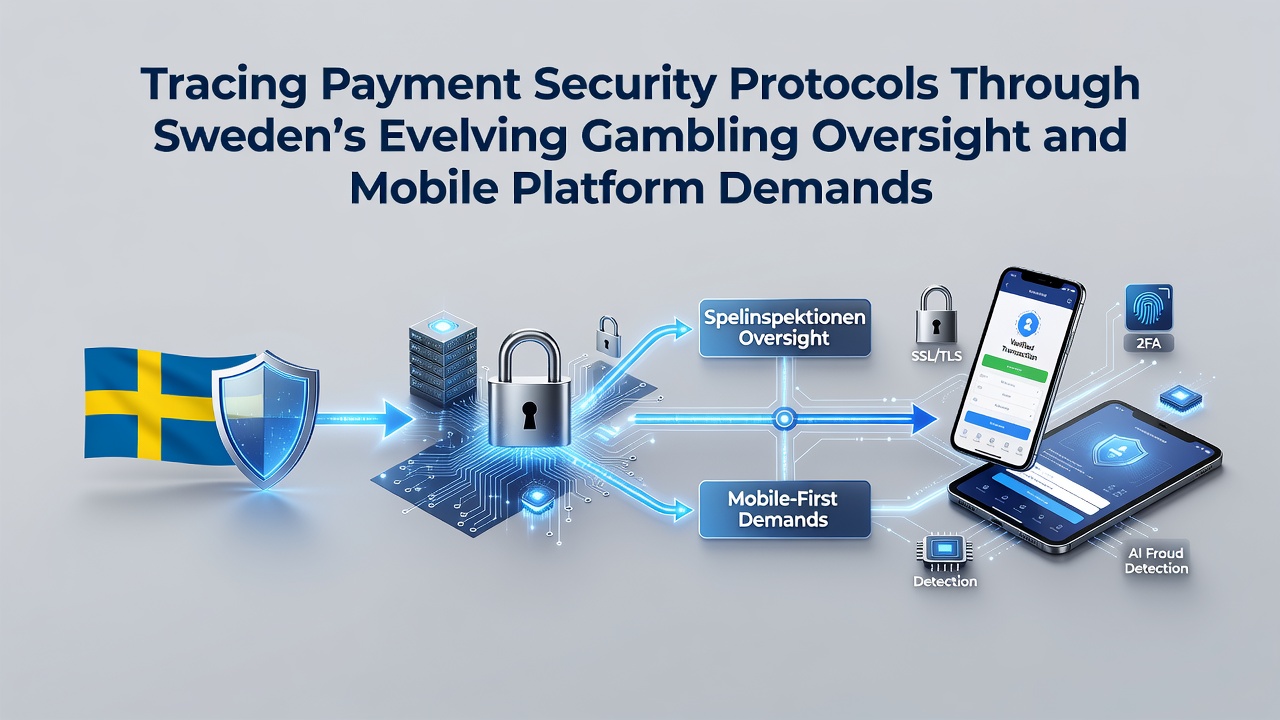
Tracing Payment Security Protocols Through Sweden's Evolving Gambling Oversight and Mobile Platform Demands
Sweden's gambling sector has undergone substantial regulatory shifts since the 2019 re-regulation that established the current licensing framework under Spelinspektionen, the national authority responsible for oversight. Data from official records shows licensed operators must adhere to strict payment security standards that integrate with broader anti-money laundering requirements and consumer protection measures. Those standards trace back to updates in the Gambling Act, which mandate encryption protocols, two-factor authentication, and real-time transaction monitoring for all deposits and withdrawals processed through mobile platforms.
Regulatory Foundations and Payment Protocol Evolution
Observers note that payment security protocols in Sweden developed alongside the transition from a state monopoly to a competitive licensed market. The initial framework required operators to use certified payment gateways that comply with PCI DSS standards, yet subsequent amendments strengthened these rules to address rising mobile usage. Research from regulatory filings indicates mobile transactions now account for over 80 percent of activity, prompting Spelinspektionen to issue detailed guidance on secure API integrations and tokenization methods that prevent data exposure during in-app purchases.
But here's the thing: each update layered additional verification steps onto existing systems without disrupting player access. For instance, operators must implement automated checks that cross-reference user identities against national databases before approving larger transfers. Figures reveal that these measures reduced reported fraud incidents by measurable margins between 2020 and 2025, according to aggregated industry statistics shared with government agencies.
Mobile Platform Growth and Security Integration
Mobile demands accelerated the adoption of advanced security layers because players expect seamless experiences on smartphones and tablets. Experts have documented how operators responded by embedding biometric authentication alongside traditional passwords, creating multi-layered defenses that align with Spelinspektionen directives. One study revealed that platforms incorporating device fingerprinting and behavioral analytics saw improved compliance rates during audits.
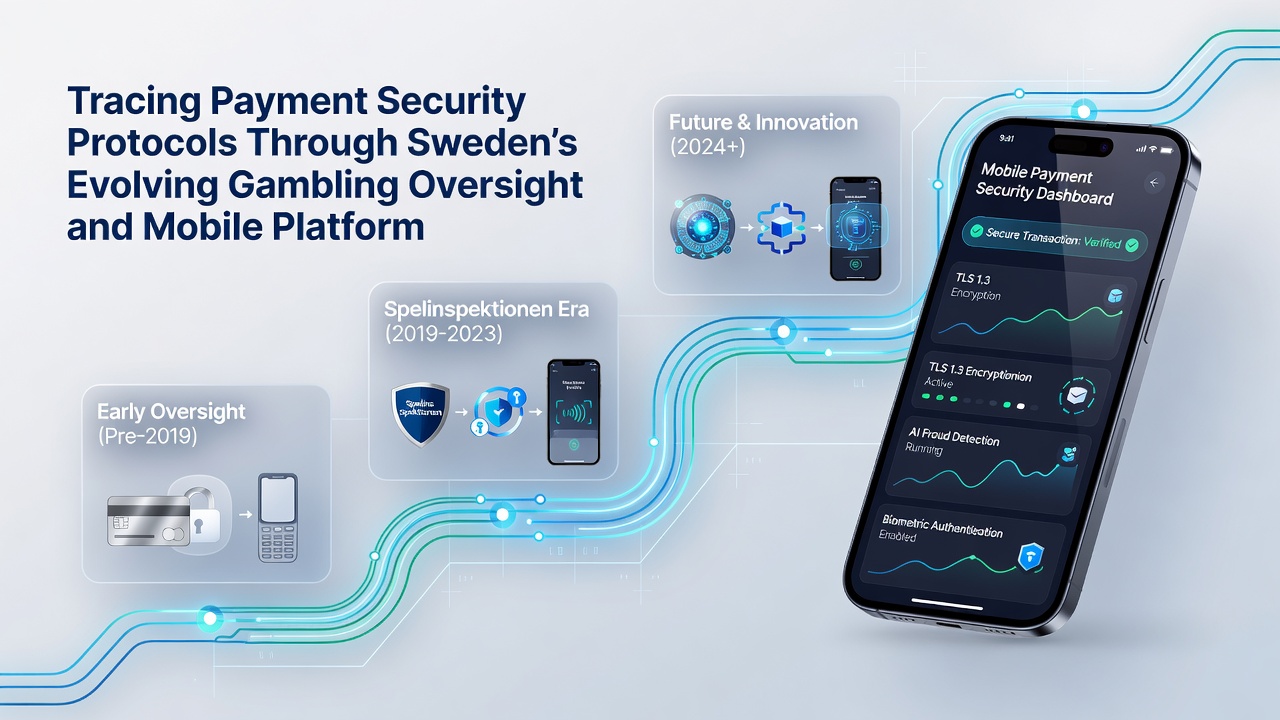
Turns out the technical requirements extend beyond basic encryption. Licensed entities must maintain segregated player funds in Swedish bank accounts, with regular reconciliations reported to the authority. This setup connects directly to payment flow tracing, allowing regulators to monitor movement from deposit to withdrawal in real time. Data shows such segregation has become standard practice across the market since the licensing regime took effect.
Tracing Protocols Through Oversight Changes
Those who've examined the timeline observe that Spelinspektionen expanded its technical testing protocols around 2022 to include penetration testing for mobile applications. Operators submit detailed reports on how they handle payment data across different network conditions, including 5G and Wi-Fi handoffs. European regulatory comparisons, including reports from the European Commission, highlight Sweden's approach as notably prescriptive in requiring source-of-funds verification for high-value transactions.
What's interesting is how these protocols intersect with international standards without relying on any single external framework. Spelinspektionen coordinates with EU directives on digital payments while maintaining national specifics for gambling. Meanwhile, a separate analysis from the Australian Communications and Media Authority underscores similar mobile security trends in other regulated markets, confirming that tokenization and continuous monitoring represent common responses to platform growth.
Current Implementation and Data Patterns
Current records indicate that all active licensees use certified payment service providers vetted through a centralized approval process. This reduces the risk of unauthorized access points while enabling rapid updates when new vulnerabilities emerge. Observers note the authority conducts periodic reviews that examine transaction logs for anomalies, with findings feeding back into protocol refinements.
Researchers discovered that integration of machine learning tools for anomaly detection has increased since 2023, allowing systems to flag unusual patterns without manual intervention. Such tools operate within the boundaries set by data protection laws, ensuring player information remains protected during processing. Evidence suggests these advancements have supported steady market expansion while maintaining oversight integrity.
Conclusion
Sweden's payment security protocols continue to evolve in response to mobile platform demands and regulatory refinements under Spelinspektionen. The combination of encryption requirements, fund segregation, and real-time monitoring creates a traceable system that aligns with both national law and broader European expectations. Data from ongoing oversight activities shows consistent application across licensed operators, supporting secure transactions as the market adapts to technological shifts.